


Ultrasound diagnosis of eye diseases
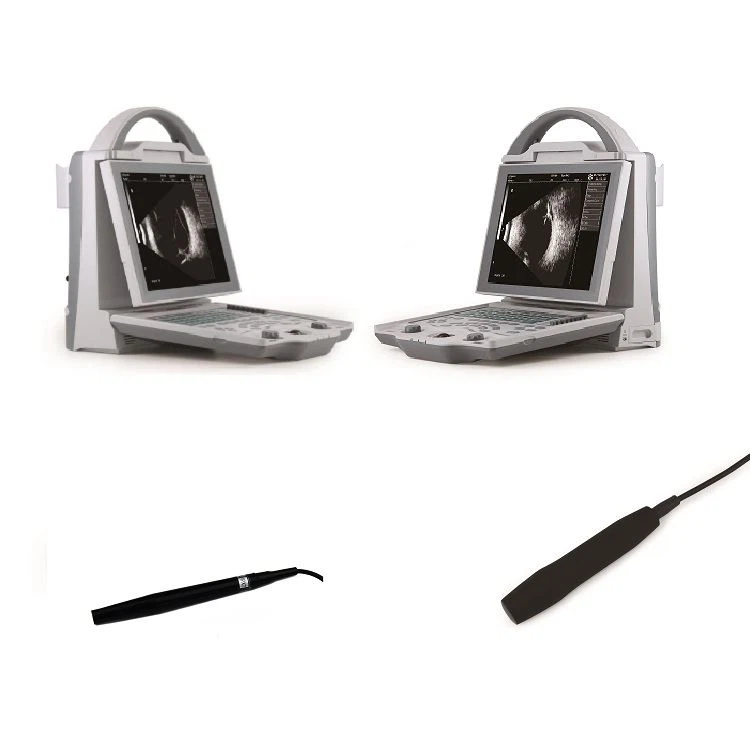
Most of the eyeball is composed of 99% water-containing vitreous body, which lacks an interface that produces ultrasonic reflection. Therefore, except for the reflected echo from the eyeball wall and the lens surface, most of the sound image is occupied by the black sound-transmitting area, forming a clear Contours, images with regular shapes. The cut surface of the eyeball and the details inside the eyeball are clear at a glance. When the refractive interstitium (lens, vitreous) is opaque (cataracts, vitreous opacity), the current optical examinations of ophthalmology are powerless. Only ultrasound, CT and magnetic resonance can understand the situation in the eye, and ultrasound is far more than the other two. Convenient and economical.
Two-dimensional sound image can be used for the diagnosis of intraocular and extraocular diseases. If there is a tumor in the eye, there will be an echo light cluster produced by the tumor tissue protruding inward in the regular normal eyeball structure. Determine its location, size, and shape. According to the characteristics of the abnormal echo, you can know whether it is combined with bleeding, Tissue shedding, necrosis, calcification, etc. can be used to further judge the tumor. For example, retinoblastoma that occurs in infants and young children, the ultrasound image shows an uneven round or irregular light cluster on the inner surface of the eyeball, the interior is uneven, and there are mostly calcifications. Internal spread, ultrasound examination can also find corresponding manifestations of the posterior wall. Choroidal melanoma is a common malignant tumor in adults. The traditional examination methods for this disease have about 20% false positives and 10% false negatives. Ultrasound is not affected by whether the refractive interstitium is transparent or not. The diagnostic coincidence rate can reach 97. %.
Application of ultrasound in vivo measurement in ophthalmology
The ophthalmic biometrics that can be performed with ultrasound include the measurement of the axial diameter of the eyeball, the measurement of the anterior chamber depth, the measurement of the thickness of the cornea and lens, the measurement of the length of the vitreous body, the measurement of the thickness of the eyeball wall, the thickness of the rectus muscle, and the thickness of the soft tissue behind the bulb. Measurement, etc., and the curvature of the lens can be calculated based on the measured value. In addition, it can be used to measure the tissue structure of the disease, such as the size of the tumor, the extent and distance of retinal detachment, the location of foreign bodies and the thickness of optic nerve head edema, etc., which can be used to understand the condition and estimate the prognosis. This measurement is used for the diagnosis and research of refractive errors. It also has great clinical significance. In the intraocular lens transplantation, the refractive index of the intraocular lens in the aqueous or vitreous body can be calculated according to the patient’s corneal anterior curvature radius, axial length, distance from the anterior corneal tip to the intraocular lens, and refractive index. According to the refractive index, it can be transplanted Give the patient an intraocular lens with a suitable degree.
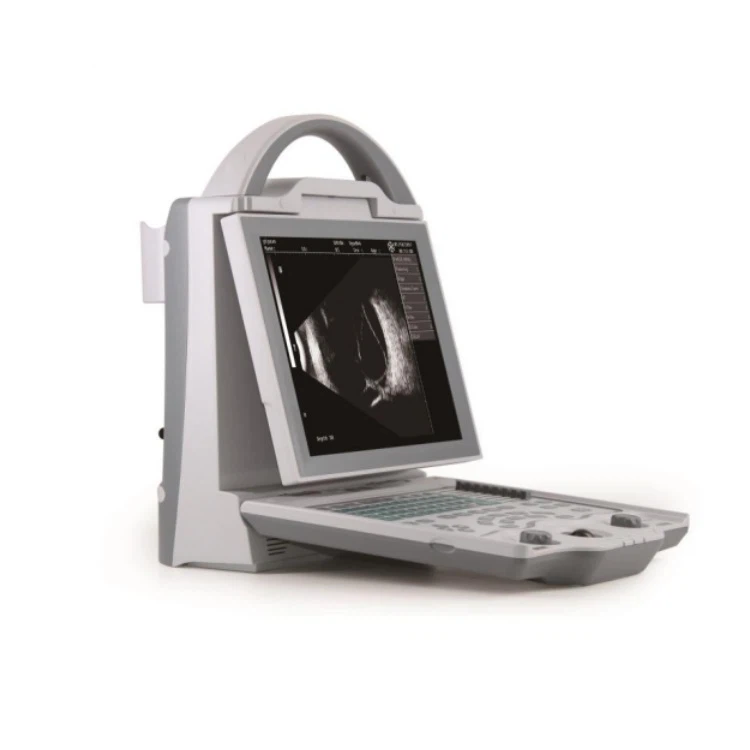
Traditional ultrasound treatment in ophthalmology
Although the various parts of the eye have different responses to ultrasound, they are very sensitive as a whole and are easily damaged by ultrasound. Therefore, the ultrasound treatment of the eye is conservative for a long time. Long-term high-dose ultrasound radiation, such as 2.5~3W/cm2 ultrasound, can cause irreversible damage to the eyeball tissue in only 30 seconds, and even affect the optic nerve. This dose is far below the tolerance of general tissues. Experiments have shown that when the ultrasound intensity is 2.5~3W/cm2, the damage to the eye is irreversible after 5 minutes of projection. The pathological changes can be restored when the intensity is 1.5~2W/cm2, and when the intensity is reduced to 0.25~1W/cm2, it is No damage to eyes. Therefore, the accurate dose can be used for safe treatment with ultrasound. The current clinical application of ultrasound in the treatment of ophthalmic diseases generally does not exceed 0.5W/cm2 and the time does not exceed 5 minutes.
A moderate ultrasound dose can improve eye fluid circulation (drainage of aqueous humor), increase permeability, promote absorption, increase metabolism, facilitate the dissipation and absorption of inflammation, and promote the recovery process. Ultrasound therapy is widely used in the treatment of ophthalmic diseases. For blepharitis, especially recurrent ulcerative blepharitis, ultrasound not only helps the healing of ulcers, but also has a softening effect on scar tissue caused by recurrent attacks. Dacryocystitis and lacrimal duct adhesion can be treated with ultrasound. Keratitis caused by ulcerative, tuberculous and neurotrophic changes can all be treated with ultrasound to promote the repair of the epithelium, the absorption of inflammatory infiltration, and the dissipation of anterior chamber exudation. Corneal opacity and corneal scars can be treated with ultrasound to improve vision. Ultrasound is used after corneal trauma, which has the effect of accelerating regeneration and repair. Ultrasound is also effective for traumatic iridocyclitis and traumatic cataract. In the mid-1970s, China performed ultrasound treatment on a large number of fundus diseases that were considered terminally ill or difficult to improve, such as optic atrophy and central retinitis, and the results seemed to be promising.
There are many methods of ophthalmic ultrasound treatment, such as direct contact through the eyelids and indirect contact through the water bag. The best way is to use a water bath. This method is to install the therapeutic sound head on the bottom of a special eye bath, and put it in the bath without irritation. Before treatment, the cornea is anesthetized with tetracaine and other surface anesthesia. Pulse ultrasound should be used for treatment to eliminate the effect of heat accumulation. The power is 0.2-0.5W/cm2, and the effect is 5-6 minutes.


