


1. What is a blood cell analyzer?
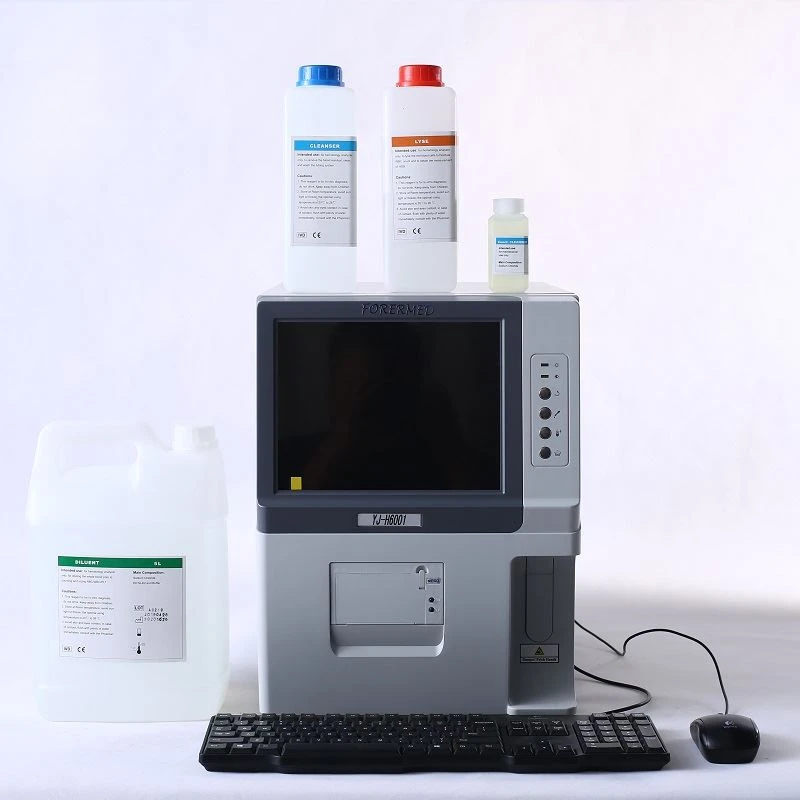
Hematology analyzer is also called hematology analyzer, hematology analyzer, hematology counter, etc. It is one of the most widely used instruments in hospital clinical examinations. The white blood cells, red blood cells and platelets in the blood are classified by the resistance method, and hemoglobin can be obtained at the same time. Concentration, hematocrit and other blood-related data.
2. What items can the blood cell analyzer detect?
The significance of routine blood testing is to find early signs of many systemic diseases, diagnose whether there is anemia, whether there are blood diseases, reflect the hematopoietic function of bone marrow, etc. The instrument for testing blood routine is a blood cell analyzer, so in laboratory medicine, blood cells The analyzer plays a very important role in testing, so what testing items does the blood cell analyzer have?
White blood cell count (WBC)
Peripheral blood leukocytes originate from hematopoietic stem cells of bone marrow. White blood cells include granulocytes, lymphocytes and monocytes. Among them, granulocytes are divided into neutrophil granulocytes, neutrophil rod-shaped granulocytes, and eosinophils. Cells and basophils. White blood cell count is to measure the total number of various white blood cells in the blood.
Reference value for adults: (4~10)×109/L.
Children: (5~12)×109/L.
Newborn: (15-20)×109/L.

1. Leukocytosis
(1) Physiology Mainly seen in premenstrual, pregnancy, childbirth, breastfeeding women, strenuous exercise, excitement, drinking, after meals, etc. Newborns and infants are higher than adults.
(2) Pathological is mainly seen in various bacterial infections, severe tissue damage or necrosis, leukemia, malignant tumors, uremia, diabetic ketoacidosis, and acute poisoning of chemical drugs such as organophosphorus pesticides and hypnotics. The application of certain white blood cells The chemical drugs will also promote the increase of white blood cells.
2. Leukopenia
(1) Diseases are mainly seen in influenza, aplastic anemia, leukemia, etc.
(2) Medication: Use sulfa drugs, antipyretic analgesics, some antibiotics, antithyroid agents, antitumor drugs, etc.
(3) Special infections such as Gram-negative bacterial infection (typhoid fever, paratyphoid fever), Mycobacterium tuberculosis infection, viral infection (rubella, hepatitis), parasitic infection (malaria), etc.
(4) The influence of other radiation, chemicals (benzene and its derivatives), etc. There are many factors that affect the white blood cell count. If necessary, it should be combined with the white blood cell classification count and white blood cell morphology and other indicators to make a comprehensive judgment.
【Neutrophils】
1. Increased neutrophils
(1) Acute infection or purulent infection, including local infection (abscess, furuncle, tonsillitis, appendicitis, otitis media, etc.); systemic infection (pneumonia, erysipelas, sepsis, scarlet fever, diphtheria, acute rheumatic fever).
The percentage of mildly infected white blood cells and neutrophils may increase; moderately infected counts may be> 10.0 × 10⁹/L; severely infected counts may be greater than 20.0 × 10⁹/L, accompanied by obvious nuclear shift to the left.
(2) Poisoning: uremia, diabetic ketoacidosis, substituting acidosis, early mercury poisoning, lead poisoning, or hypnotics, organophosphorus poisoning.
(3) Bleeding and other diseases Acute bleeding, acute hemolysis, post-operation, malignant tumor, granulocytic leukemia, severe tissue damage, myocardial infarction, and vascular embolism.
(4) For physiology, see "Leukocytosis".
2. Neutropenia
(1) Diseases typhoid fever, paratyphoid fever, malaria, brucellosis, certain viral infections (such as hepatitis B, measles, influenza), blood diseases, anaphylactic shock, aplastic anemia, high-grade cachexia, neutropenia or deficiency Disease, hypersplenism, autoimmune diseases, etc. (2) Poisoning damage, heavy metal or organic poisoning, radiation damage, etc. (3) Medication Anti-tumor drugs, benzodiazepine sedatives, sulfonylurea insulin secretagogues, antiepileptic drugs, antifungal drugs, antiviral drugs, antipsychotics, some non-steroidal anti-inflammatory drugs, etc.

【Lymphocyte】
1. Lymphocytosis
(1) Infectious diseases: whooping cough, infectious mononucleosis, infectious lymphocytosis, tuberculosis, chickenpox, measles, rubella, mumps, infectious hepatitis, tuberculosis and other infectious diseases in the recovery period.
(2) Hematological diseases Acute and chronic lymphocytic leukemia, leukemic lymphosarcoma, etc., can cause an absolute increase in lymphocyte count; aplastic anemia and agranulocytosis can also cause a relative increase in the percentage of lymphocytes. In addition, it can also be seen in the rejection period after kidney transplantation.
2. Acute phase of lymphopenia infectious diseases, radiation sickness, cellular immunodeficiency disease, long-term use of adrenal cortex hormones or exposure to radiation, etc. In addition, when neutrophils increase due to various reasons, lymphocytes can also be relatively reduced.
Red blood cell count (RBC)
Red blood cells are the most abundant formed component in the blood. As a respiratory carrier, they can carry and release oxygen to various tissues of the body while transporting carbon dioxide, coordinately regulating the maintenance of acid-base balance and immune adhesion. Red blood cell count is one of the main indicators for diagnosing anemia.
1. Red blood cells
(1) The relative increase is seen in severe vomiting, diarrhea, excessive urination, shock, hyperhidrosis, and extensive burns. Due to a large amount of water loss, the amount of plasma is reduced, and the blood is concentrated, which increases the concentration of various components in the blood. A temporary phenomenon.
(2) Absolute increase is seen in: ① Physiological increase, such as hypoxia and high altitude living, fetus, newborn, strenuous exercise or physical labor, accelerated release of red blood cells from bone marrow, etc.; ② Pathological compensatory and secondary increase, Often secondary to patients with chronic pulmonary heart disease, emphysema, mountain sickness and tumors (kidney cancer, adrenal tumors); ③Erythrocytosis is an unexplained chronic hyperfunction of the bone marrow, and the red blood cell count can reach (7.0~12.0)×1012 /L.
2. Red blood cell reduction
Lack of hematopoietic substances is caused by malnutrition or malabsorption, such as chronic gastrointestinal diseases, alcoholism, partial eclipse, etc., causing insufficient hematopoietic substances such as iron, folic acid, vitamins, or protein, copper, vitamins, etc.


