


Why Water Quality Matters When Using a Steam Autoclave
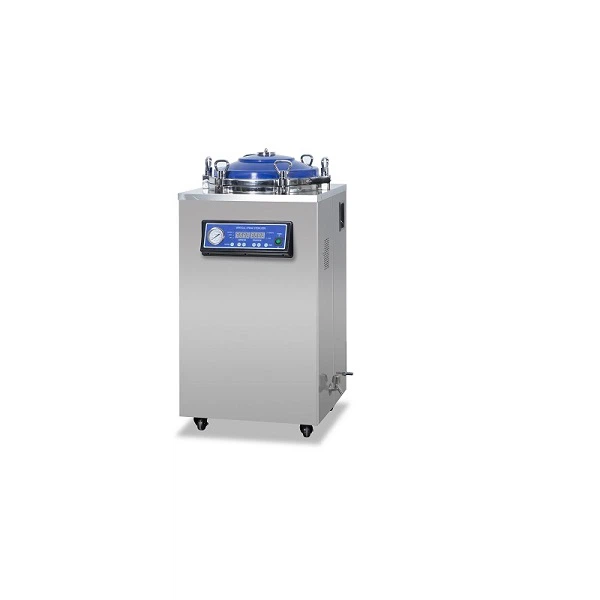
Water is the lifeblood of a laboratory autoclave. The quality of the water used will seriously affect the life of the autoclave chamber and steam generator, as well as the type of load that can be sterilized. To understand why, let's address four common questions about water quality and how to fix some of the problems you may face with your autoclave.
Can I use tap water in my pressure cooker?
This depends on the quality of the water (e.g. hardness, minerals, chlorides, etc.). While many laboratories use tap water and their autoclaves, this practice can lead to costly downtime and costly repairs if the quality is insufficient. Tap water is of course the actual source of creating steam, but it can also be destructive to the autoclave.
What Causes Tap Water to Damage My Pressure Cooker?
Tap water contains various dissolved minerals and salts. Depending on your geographic location and water source (ground, lake, river, etc.), this dissolved level can be very high. The more mineral water content, the more "hard". When hard water is boiled into pressurized steam or used to cool waste, it leaves salt and mineral deposits inside steam generators, pipes and valves. These deposits build up over time, like layers of paint. When they build up, they reduce the efficiency and function of the steam generator, in addition to clogging pipes and valves. Consolidation requires handling harder water than 5 grains (85 mg/L). The hardness of your tap water can be reported at your municipal sewer or by taking a water test.
How to purify my water?
There are 3 ways to remove impurities from tap water:
Reverse Osmosis (RO) - RO systems filter water by forcing it through a thin permeable membrane, which removes most solid contaminants and dissolved minerals, but not biological particles, such as bacteria or viruses.
Deionization (DI) - DI systems remove ions from water, producing very high levels of purity. It does not affect uncharged molecules, viruses or bacteria.
Distillation - Distillation removes almost all impurities from water by boiling it and then condensing the steam into a clean vessel. This process leaves almost all contaminants behind.
For carbon steel steam generators, usually the easiest and cheapest water treatment solution is to install a Type III RO filter in your water line and an "auto generator blowdown" feature on an electric steam generator. The RO filter will retain most of the contaminants, while the discharge feature will flush out any minerals that make it through, greatly extending the life of the heating elements in your steam generator. Learn more about our autoclave water purification systems, designed to integrate seamlessly with all sterilizers and other laboratory equipment requiring purified water.
How pure does my water need to be?
Water between 0.1 Megohm cm ** 1.0 Megohm cm (purity obtained with a type III RO filter) will be suitable for jue most research laboratory sterilizer loads such as biohazardous waste, clothing, cages , glassware, media or general laboratory equipment. On the other hand, items that are very sensitive to mineral contamination, such as tissue samples or items used in cGMP processes, can only be sterilized by steam generated from water greater than 1 MΩ·cm. Water of this purity is usually only achieved through DI and distillation purification. Remember that when using high-purity water (greater than 1 megohm cm) as the steam source, the autoclave must be constructed of stainless steel, especially the chamber, jacket, pressure steam generator, and process piping. High-purity water lacks ions or minerals and tries to leach impurities from everything it touches, including glass, steel, and copper. This can lead to progressive corrosion and premature failure of non-stainless steel components.


