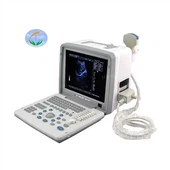
Do you know about hemodialysis machine
At its core, the machine mimics the kidney's filter. Blood exits the body via a tube, passes through a dialyzer-a cartridge packed with 15,000 hair-thin synthetic tubes. On the other side flows dialysate, a customized salt-water electrolyte solution. Like coffee grounds separating from water, waste (urea, creatinine) and excess fluid seep through the tubes' micro-pores into the dialysate, while clean blood returns. Sensors track pressure, temperature, and air bubbles-if a bubble bigger than a grain of rice sneaks in, the machine halts instantly, buzzing an alert.
Modern machines are smarter than ever. AI algorithms now predict clotting risks in real time, while apps let patients adjust treatment settings at home. "It's not just about cleaning blood," says nephrologist Dr. Sarah Chen. "It's about letting patients sleep through the night-some now dialyze while they rest."
From WWII Basements to Living Rooms
The journey began in 1943, when Dutch doctor Willem Kolff built the first "artificial kidney" from orange juice cans and sausage casings in a Nazi-occupied lab. Today, machines fit in apartments: compact home models let patients dialyze nightly, cutting fatigue. Global sales of home devices are booming at 12% annually, driven by patients craving control-no more 6 a.m. clinic trips.
But challenges remain. A hospital-grade machine costs $50,000–$150,000, pricing it out of reach for 80% of patients in low-income countries. To bridge gaps, Chinese firms are setting up factories in Vietnam and Poland, slashing tariffs while training local nurses. "We're not just selling machines-we're building ecosystems," says a Weigao executive.
The Human Side: More Than a Machine
Behind the tech are stories. Maria, a Brazilian teacher, now dialyzes at home using a portable device, freed from clinic schedules. "I missed my daughter's recitals before," she says. "Now, I'm there." These machines don't just treat kidney failure-they restore dignity. In 2031, as the global market hits $15.47 billion, innovations like wearable dialysis patches (currently in trials) promise to make treatment invisible.
So, the next time you hear "hemodialysis machine," think beyond wires and alarms. It's a 70-year-old revolution in a box, turning "impossible" into "I can."
If you are interested in this product, please feel free to contact us.