The difference between CT, NMR, and B-ultrasound
Many people are not clear about the commonly used imaging examinations such as X-ray, CT, B-ultrasound, and MRI. Now, we compare the body to food and tell you how these tests work differently.
X-ray: like squashed bread
The X-ray will pass through the human body and encounter the blocked part, and the film will not be exposed. After the film is processed, this part will be white.
Just like a piece of bread or a piece of cotton, the fiber texture inside cannot be seen, but it will be clearer if it is crushed by hand. The biggest disadvantage of X-ray is that the images subject to the deep and shallow tissue overlap and hide. Sometimes it is necessary to take X-rays from multiple angles.
CT: Look like sliced bread
The principle of CT inspection is that X-rays will pass through the human body in layers, and then be calculated by a computer and then imaged again, just like cutting a piece of bread into slices. The advantage is that it can be viewed hierarchically, and more organizational information can be displayed after calculation.
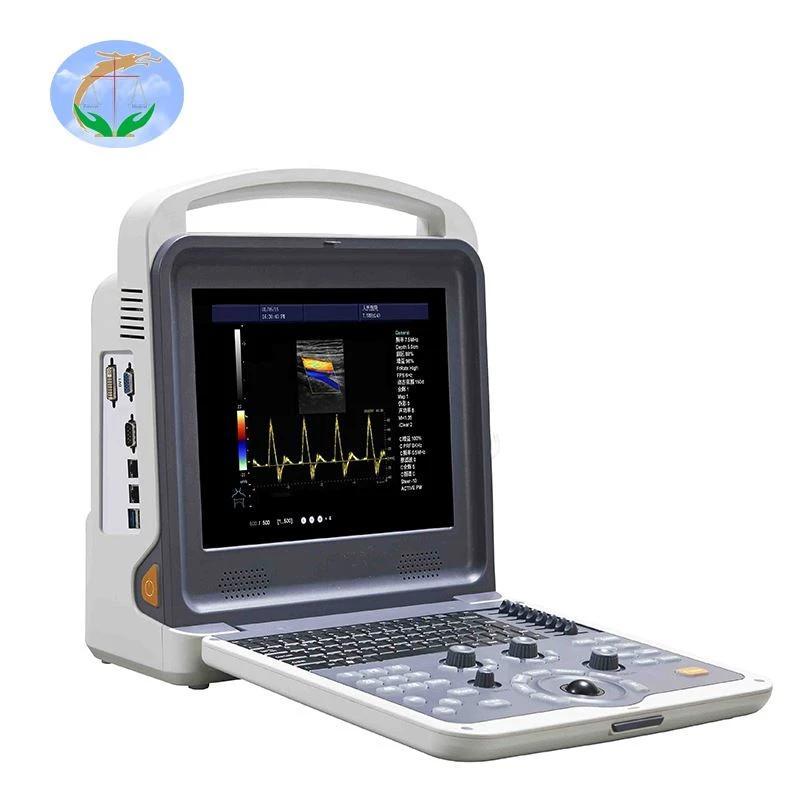
Ultrasound B: Like a knock before picking a watermelon
The principle of B-ultrasound is to use ultrasound to penetrate the human body. When sound waves encounter human tissues, reflected waves are generated, and the reflected waves are calculated for imaging. Just like picking a watermelon, tapping while watching shows the condition of the lesion.
NMR: Shake and then look
The MRI machine uses a stronger magnetic field to make the magnetic field lines of all water molecules in the human body have the same direction. At this time, the magnetic field of the MRI machine suddenly disappears, and the direction of the magnetic field lines of the water molecules in the body suddenly returns to the original state of random arrangement. Simply put, it is equivalent to shaking it with your hand to make the water molecules vibrate, then calm down and feel the vibration inside. Therefore, nuclear magnetic resonance (MRI) has also been jokingly referred to as a shaking examination.